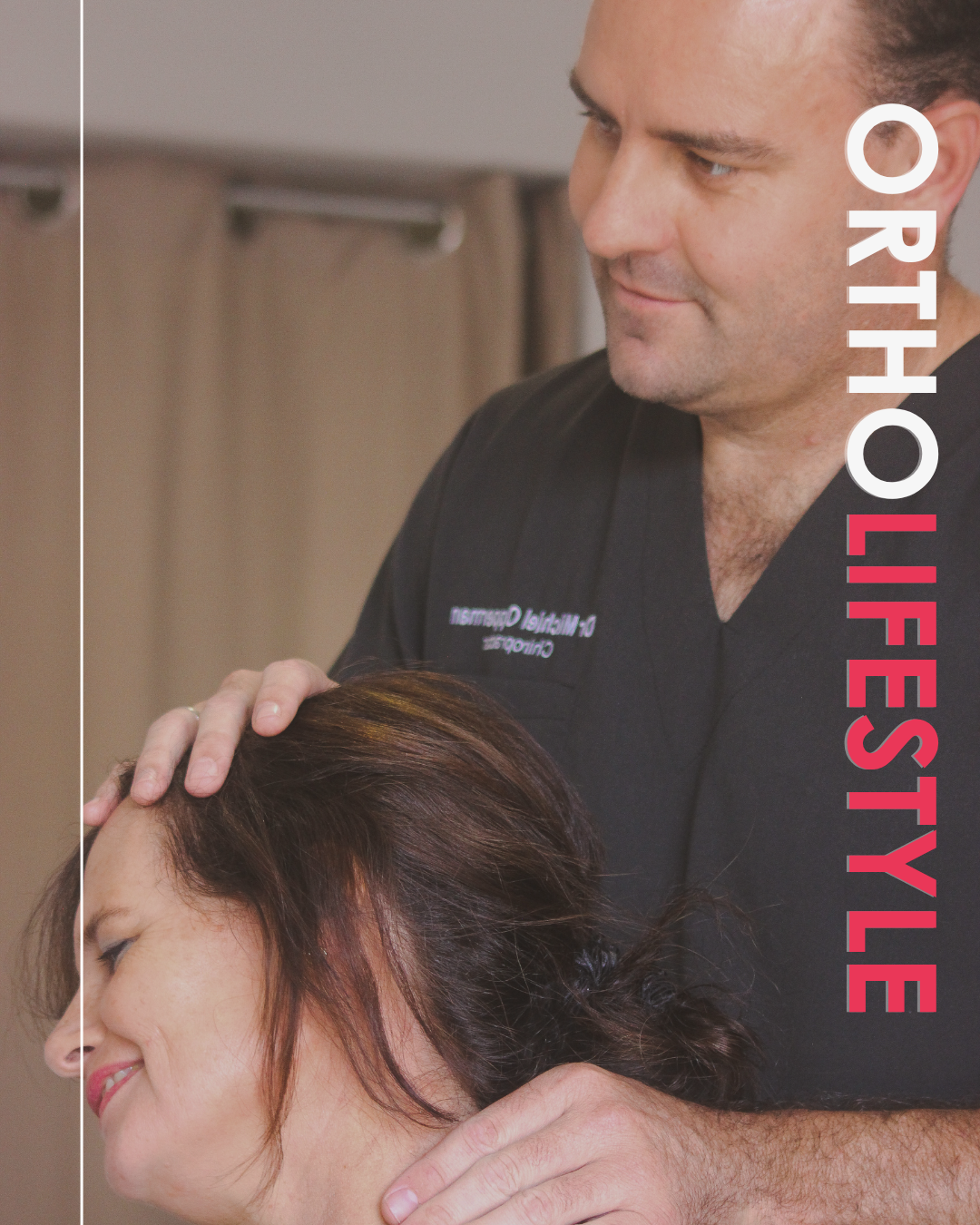
ORTHOlifestyle
WHY SHOULD I SEE A CHIROPRACTOR?
Most of us experience some form of physical strain or injury at some point in our lives. Whether it’s from a sudden incident or built up over time, these stresses can affect what we call the neuromusculoskeletal (NMSK) system — which includes your nerves, muscles, ligaments, tendons, discs, joints and spine.
Acute injuries can happen in an instant — a fall, a twist or an unexpected movement. On the other hand, chronic issues often develop more gradually, caused by things like poor posture, repetitive strain, muscle weakness or underlying medical conditions.
Over time, these stresses can impact how your body moves, feels and functions — often in ways that interfere with your daily life.
Signs You May Benefit from Chiropractic Care:
- Persistent aches and pains
- Muscle spasms or tightness
- Stiffness and reduced flexibility
- Muscle weakness
- Limited range of motion
- Joint restriction
- Numbness, tingling, or twitching
- Headaches
- Difficulty sleeping
HOW CAN CHIROPRACTIC CARE HELP?
Chiropractic treatment focuses on relieving discomfort, restoring movement, and helping your body function at its best. By addressing the root cause of the issue — not just the symptoms — we aim to support long-term recovery and overall wellbeing.
Chiropractic care isn’t only about treating pain — it’s also about prevention and maintaining a healthy, balanced body.
Because when your body moves well, you feel well.
PERIPHERAL NEUROPATHY
Bell's palsy, trigeminal neuralgia, upper limb neuropathy (axillary, musculocutaneous, ulnar, long thoracic, suprascapular, median, radial nerves), lower limb neuropathy (obturator, femoral, saphenous nerves), meralgia paresthetica, tarsal tunnel syndrome, peroneal palsy, Morton's neuroma, piriformis syndrome, etc.
SYSTEMIC CONDITIONS
Ankylosing spondylitis, chronic fatigue syndrome, complex regional pain syndrome, enteropathic arthritis, fibromyalgia, gout, osteoarthritis, osteoporosis, psoriatic arthritis, rheumatoid arthritis, etc.
CONDITIONS OF THE HEAD and NECK:
Benign positional vertigo, cervical disc disease, cervical degenerative joint disease, cervical facet syndrome, cervical instability, cervical meniscoid, cervical sprain/strain, headaches (cervicogenic/cluster/migraine/tension/pathological), stroke, temporomandibular joint disorder, torticollis, etc.
CONDITIONS OF THE SPINE and PELVIS:
Sacroiliac joint syndrome, leg length inequality, lumbar sprain/strain, lumbar facet syndrome, lumbar instability, lumbar meniscoid, spondylolisthesis, lumbar disc disease, lumbar stenosis, lumbar degenerative joint disease, scoliosis, vertebral epiphysitis, costosternal syndrome, postural syndrome, thoracic outlet syndrome, Scheuermann's disease, scoliosis, kyphosis, etc.
CONDITIONS OF THE SHOULDER
Rotator cuff strain, impingement syndrome, tendonitis, AC sprain, instability, calcific tendonitis, frozen shoulder, osteoarthrosis, glenoid labrum lesion, etc.
CONDITIONS OF THE ELBOW
Elbow sprain, elbow osteochondritis, lateral epicondylitis (tennis elbow), medial epicondylitis (golfer's elbow), olecranon bursitis, etc.
CONDITIONS OF THE WRIST and HAND
Carpal tunnel syndrome, De Quervain's disease, game keeper's thumb, wrist sprain, wrist/carpal instability, triangular fibrocartilage damage, ganglion cyst, etc.
CONDITIONS of the HIP and THIGH
Hip sprain, hip pointer, snapping hip, hip degenerative joint disease, hip bursitis, coxa vara, coxa valga, groin strain, myositis ossificans, etc.
CONDITIONS of the KNEE
Knee sprain, ACL, PCL, MCL, LCL sprain, meniscus tear, chondromalacia patellae, genu recurvatum, genu valgum, genu varum, jumper's knee, ITB syndrome, bursitis, Osgood Schlatter's disease, patellae dislocation, etc.
CONDITIONS of the LEG, ANKLE, FOOT
Ankle sprain, shin splints, compartment syndrome, tennis leg, Achilles tendonitis, calcaneal bursitis, Sever's disease, forefoot varum, rearfoot varum, hallux rigidus, hallux valgus, claw toe, hammer toe, metatarsalgia, Morton's foot, pes cavus, pes planus, plantar fasciitis, pronation syndrome, supination syndrome, etc.
WHEN SHOULD I SEE A CHIROPRACTOR?
At ORTHOlifestyle we recommend regular checkup and treatment sessions. Your chiropractor will work out a treatment protocol relevant to your needs.
WHAT CAN I EXPECT FROM MY VISIT?
A typical visit includes the following:
- Medical history taking
- Assessment upper or lower limbs and/or spine
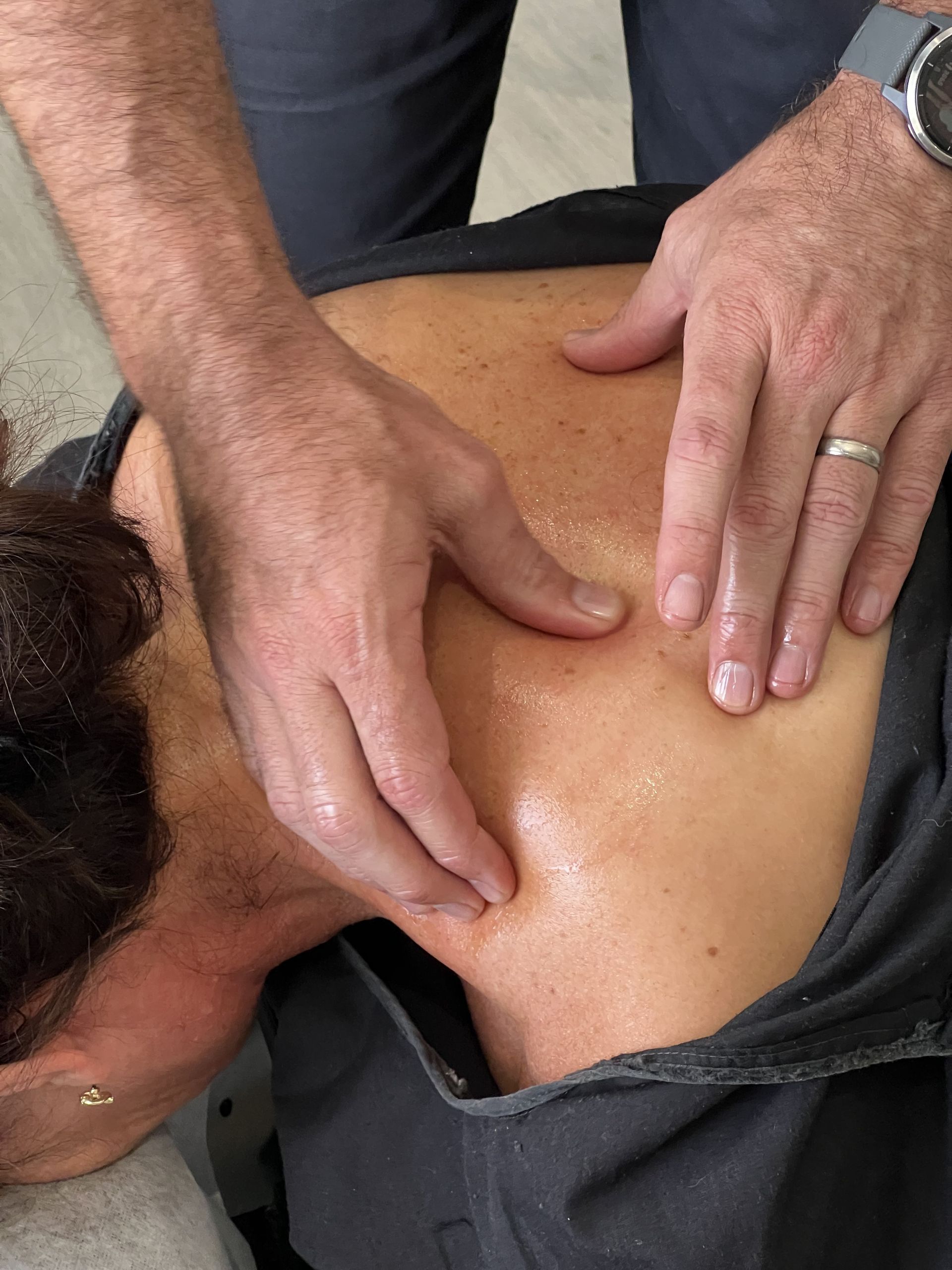
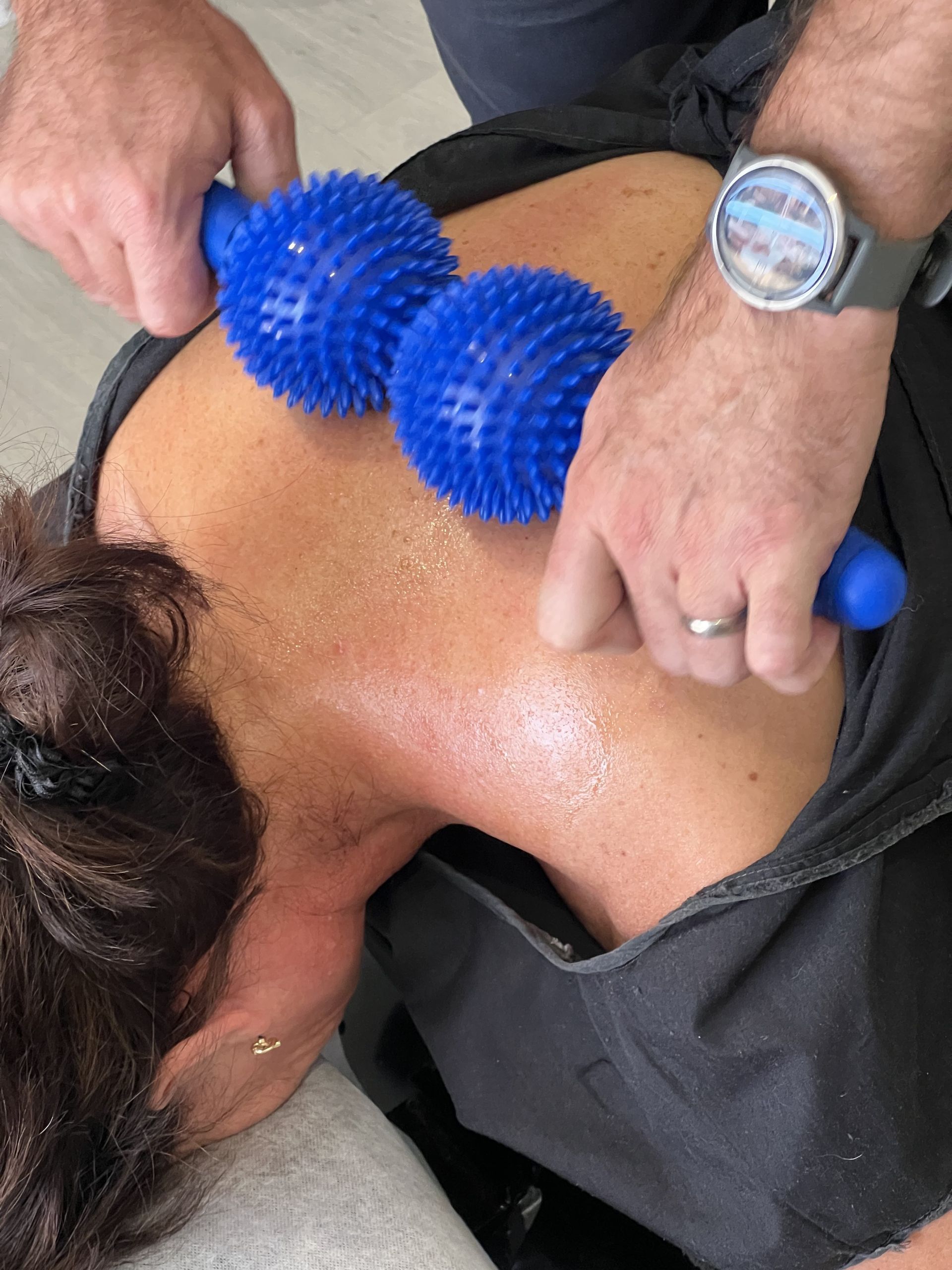
- Soft tissue therapy
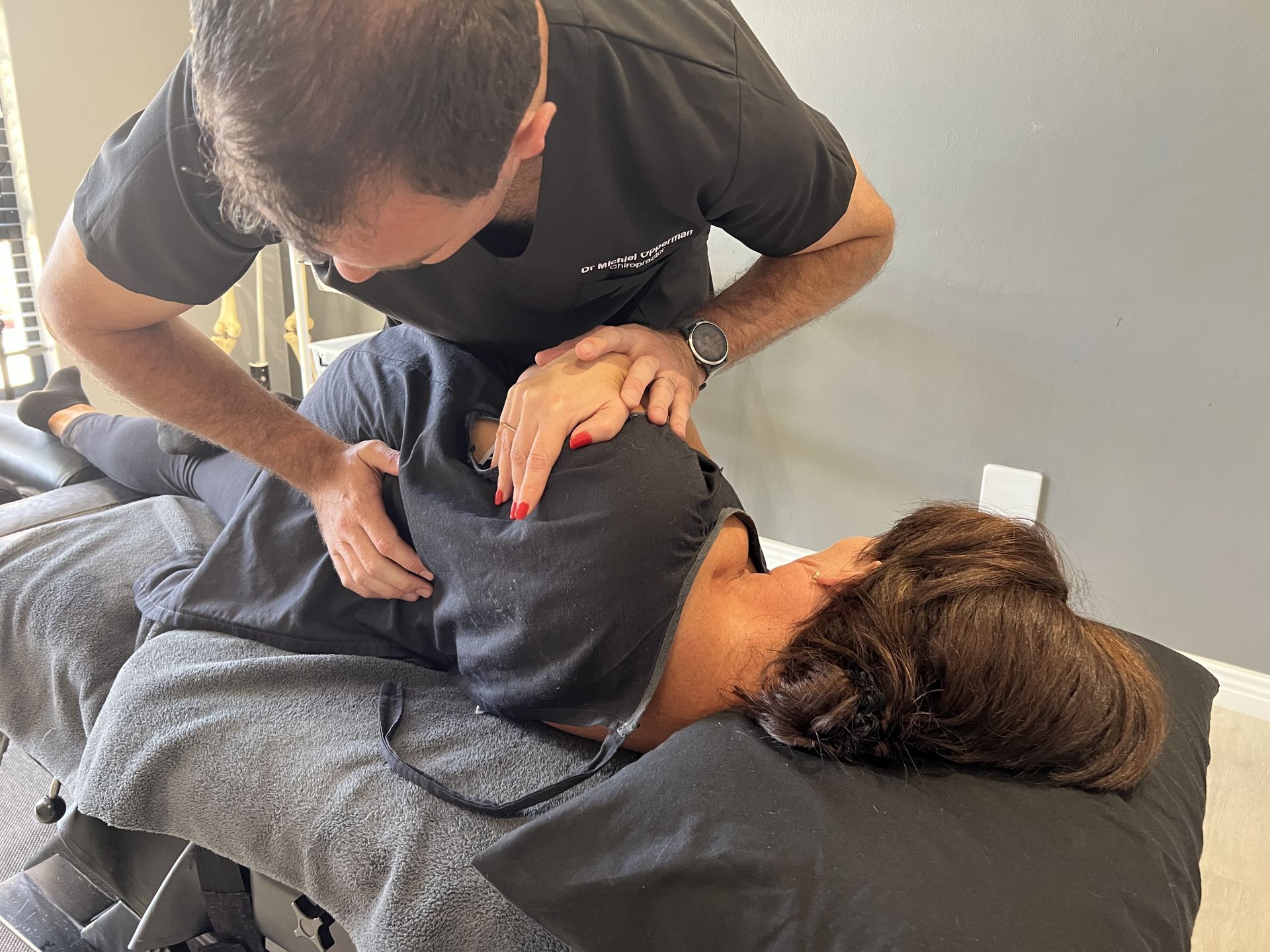
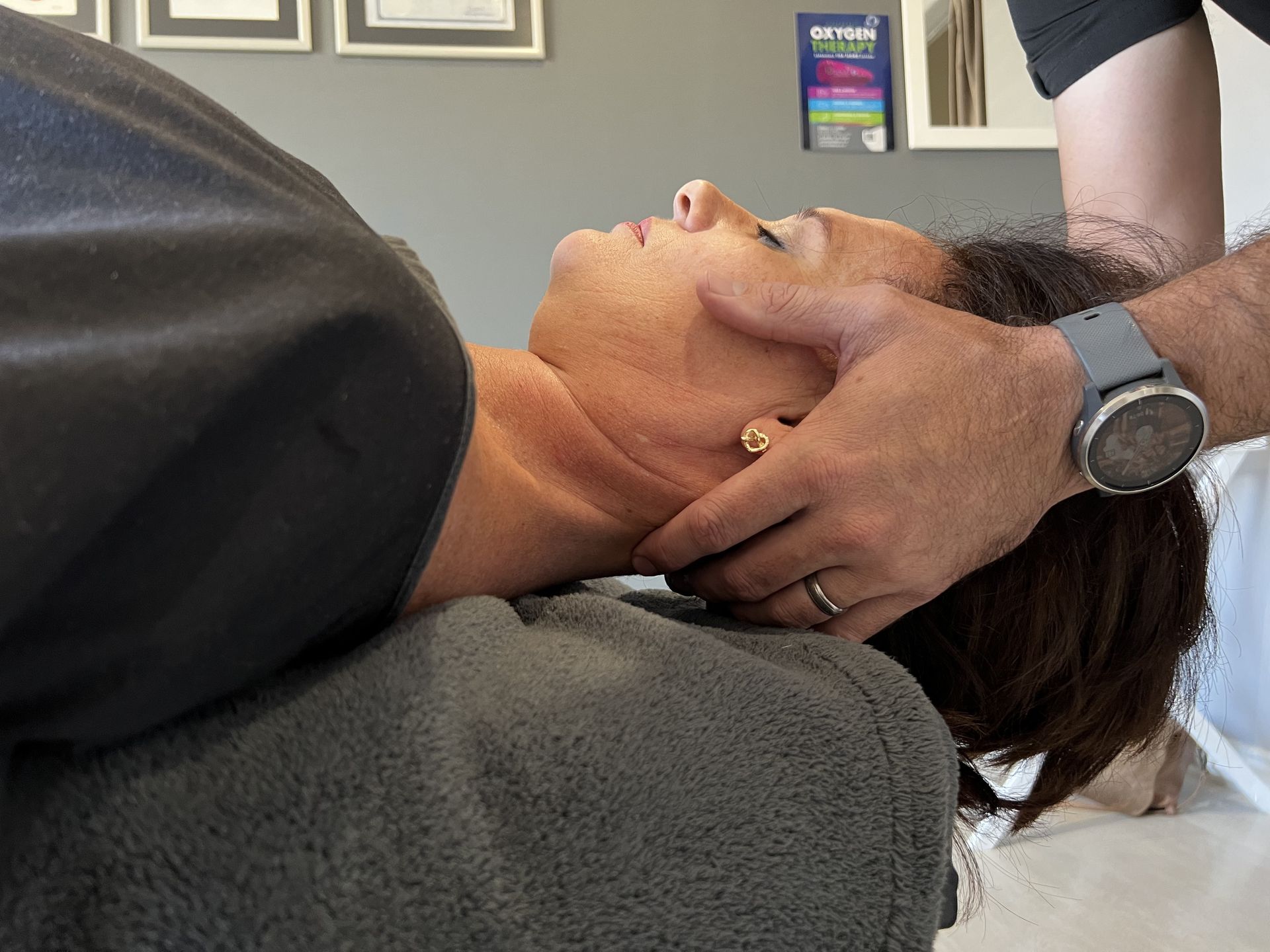
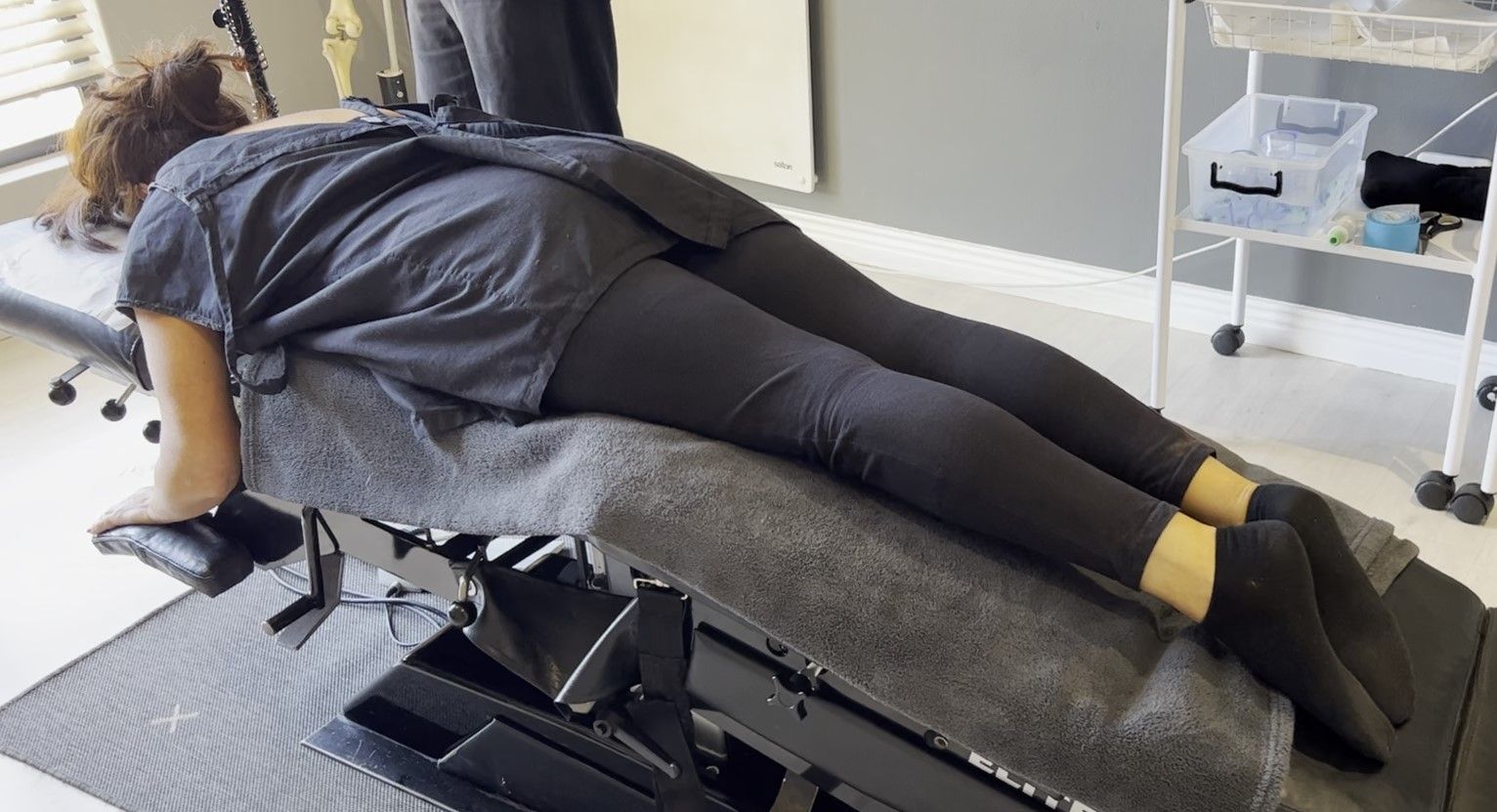
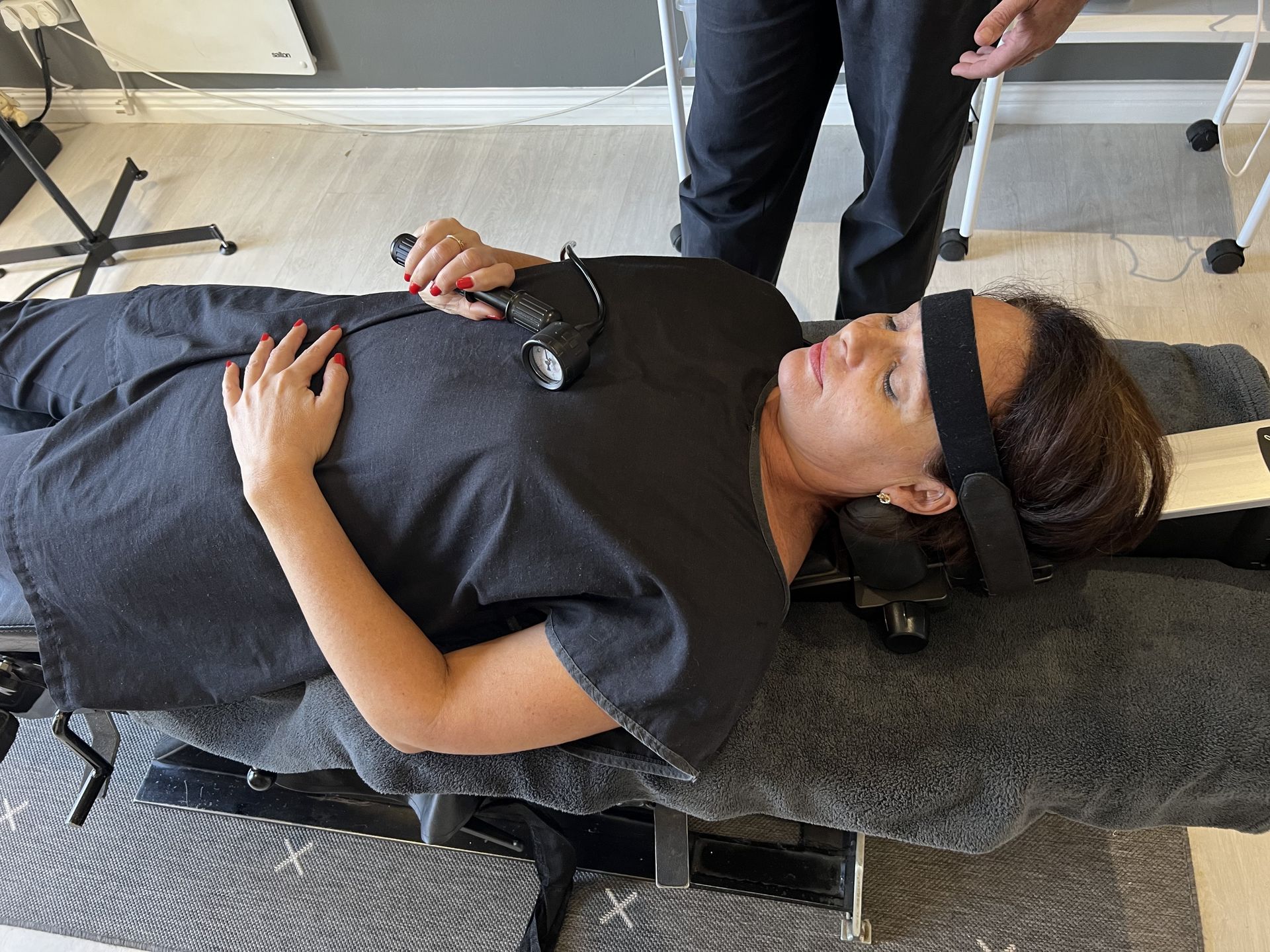
- Adjustments, mobilisations, traction of the spine and joints
- Activities to do at home
- Referral for diagnostic tests if need be
- Referral to another therapist or specialist if need be
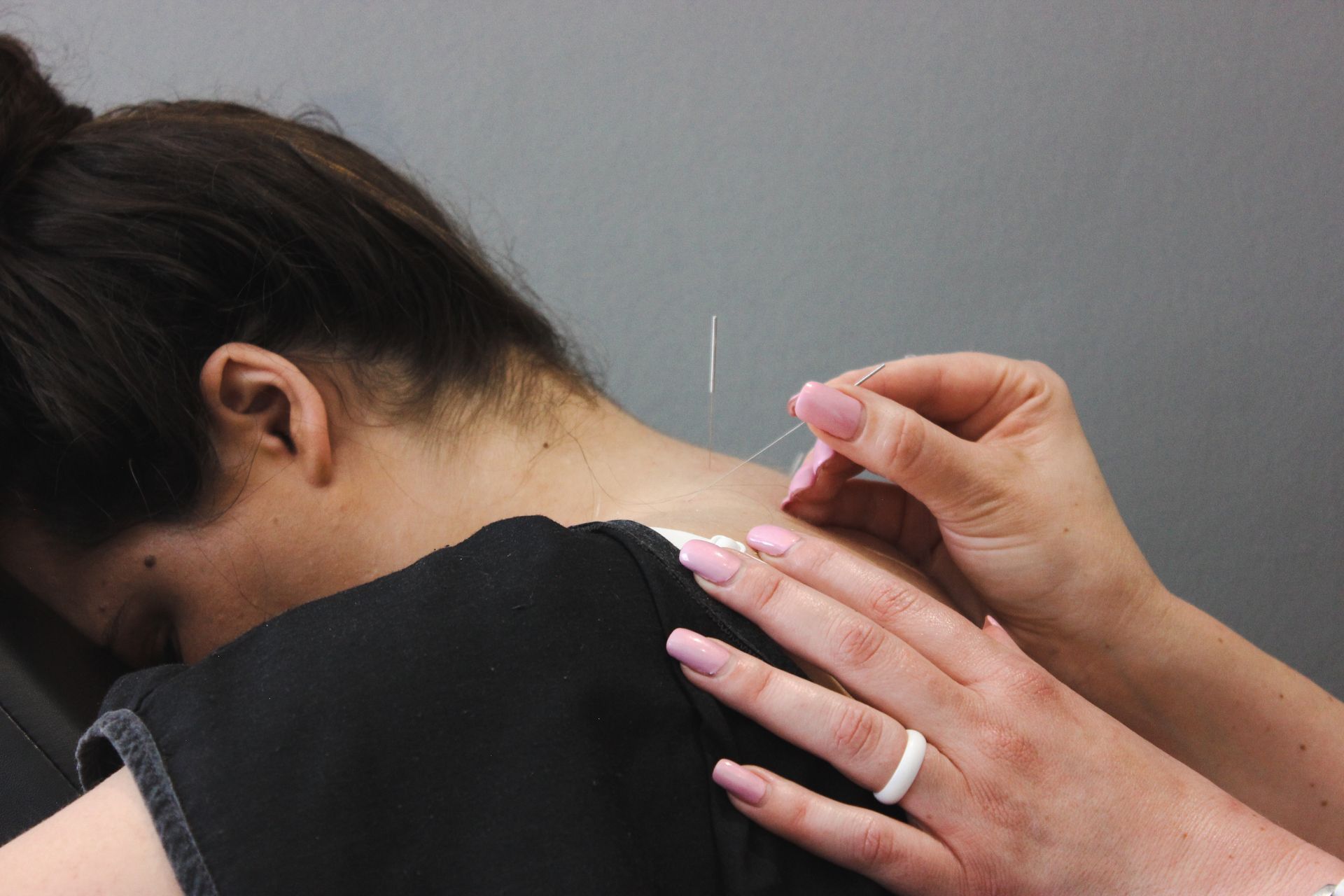
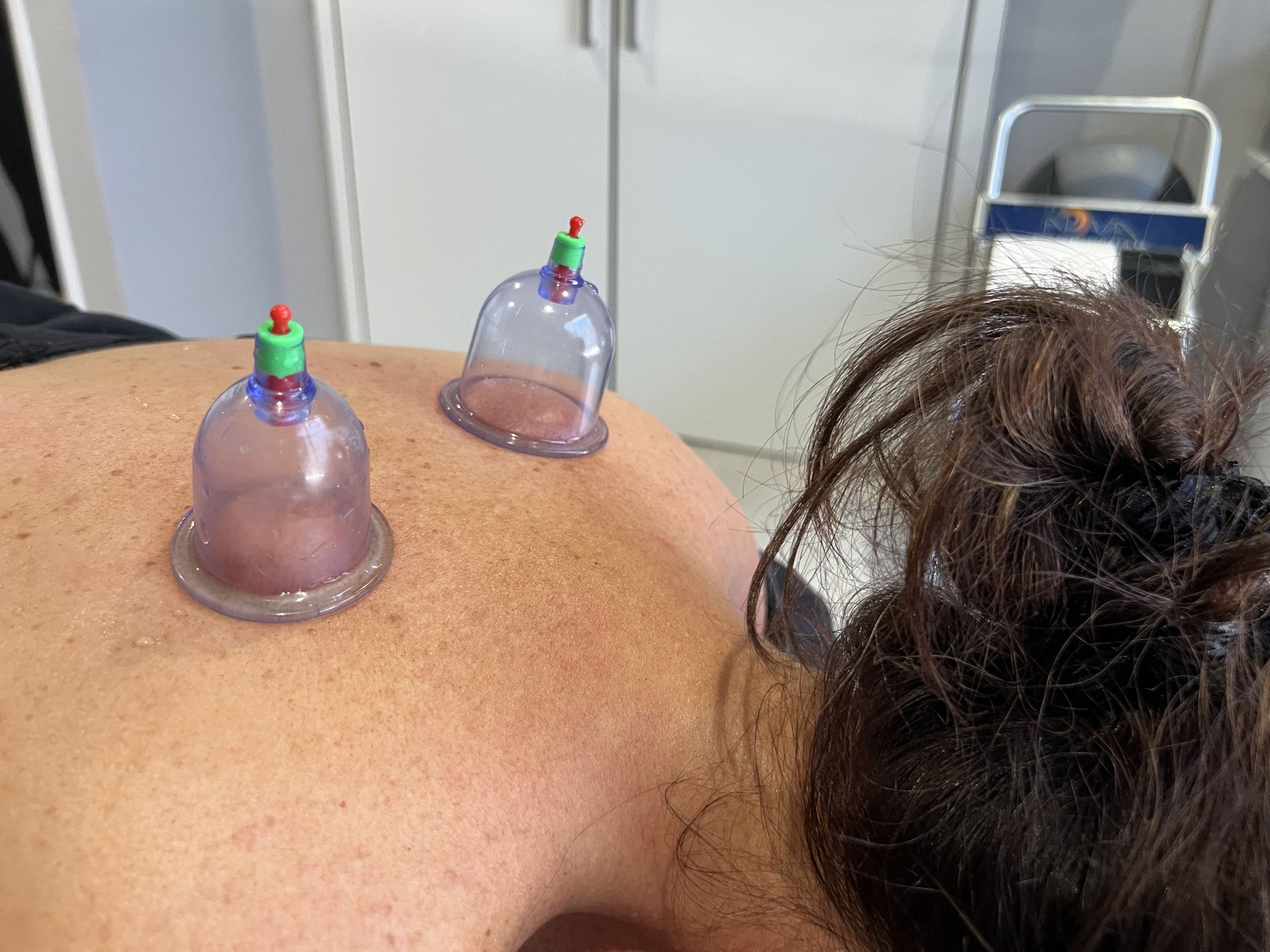
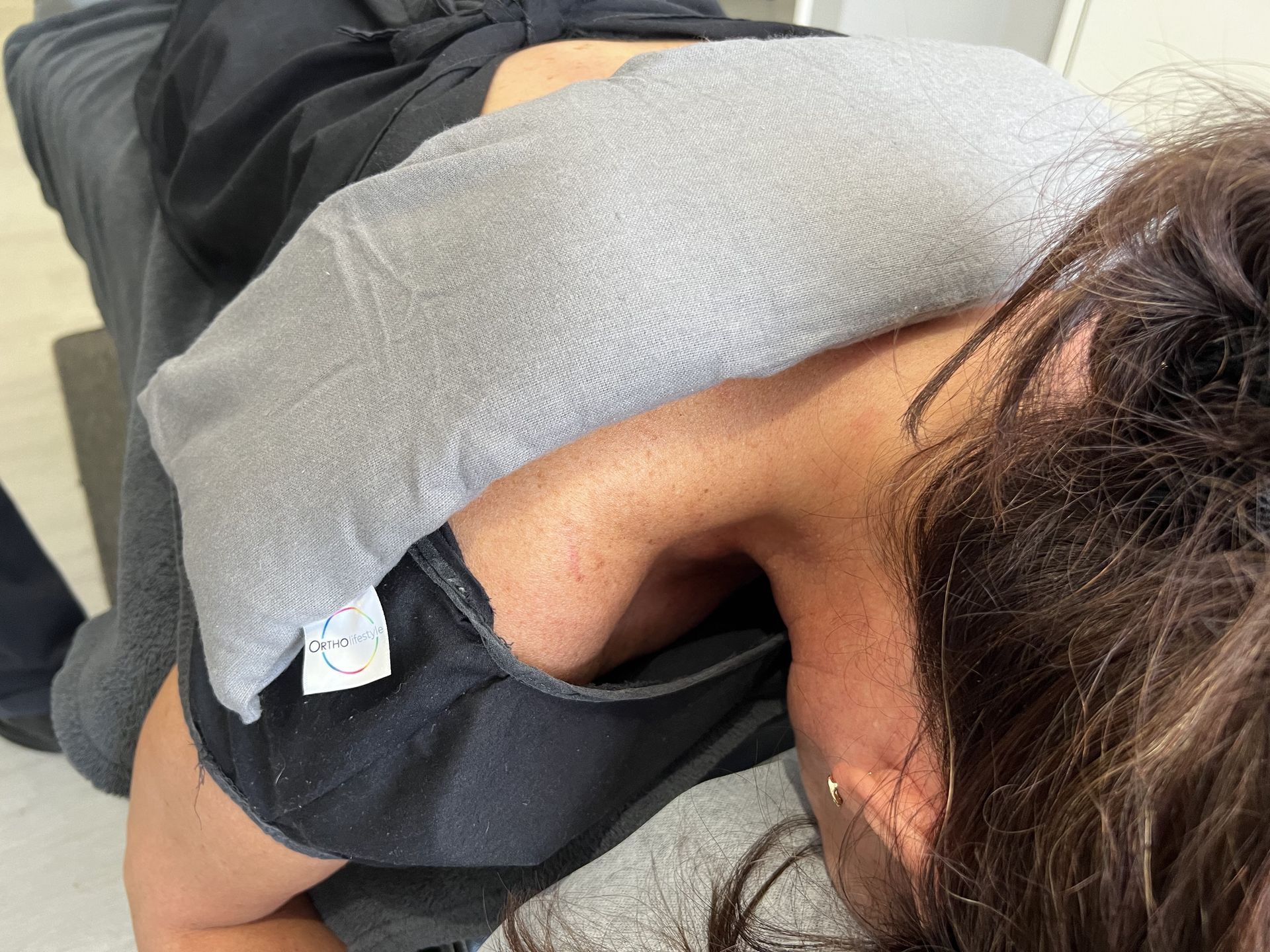
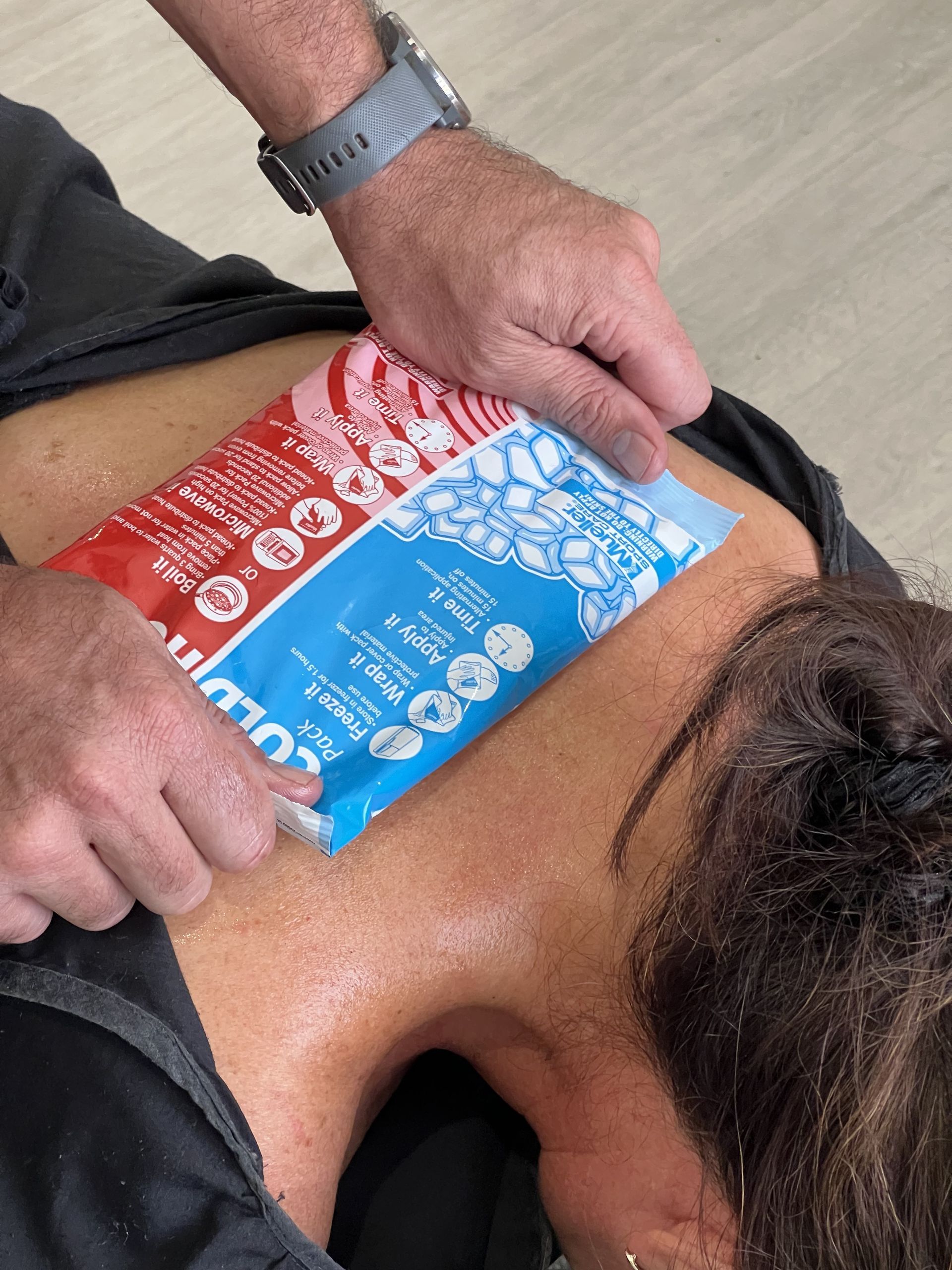
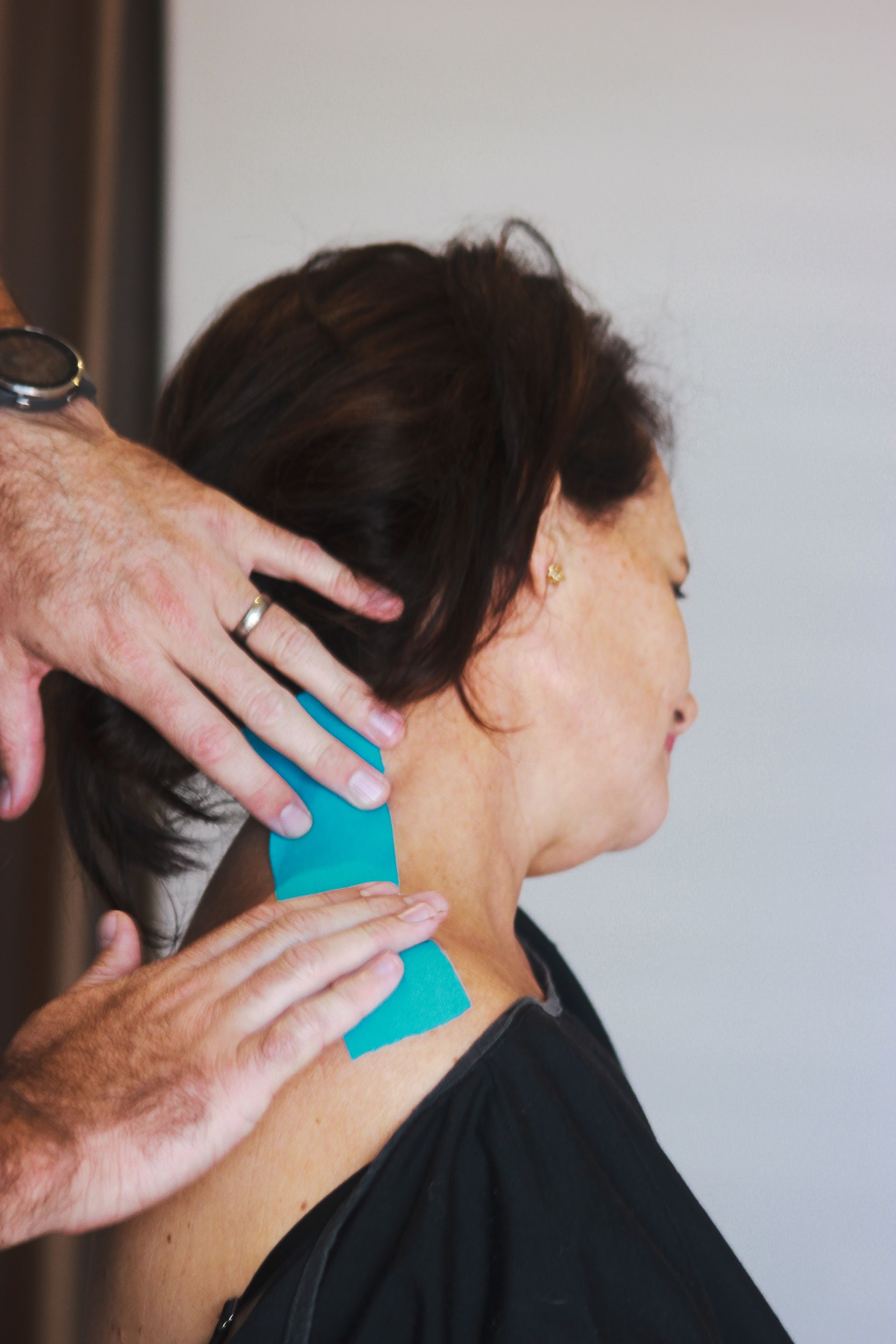
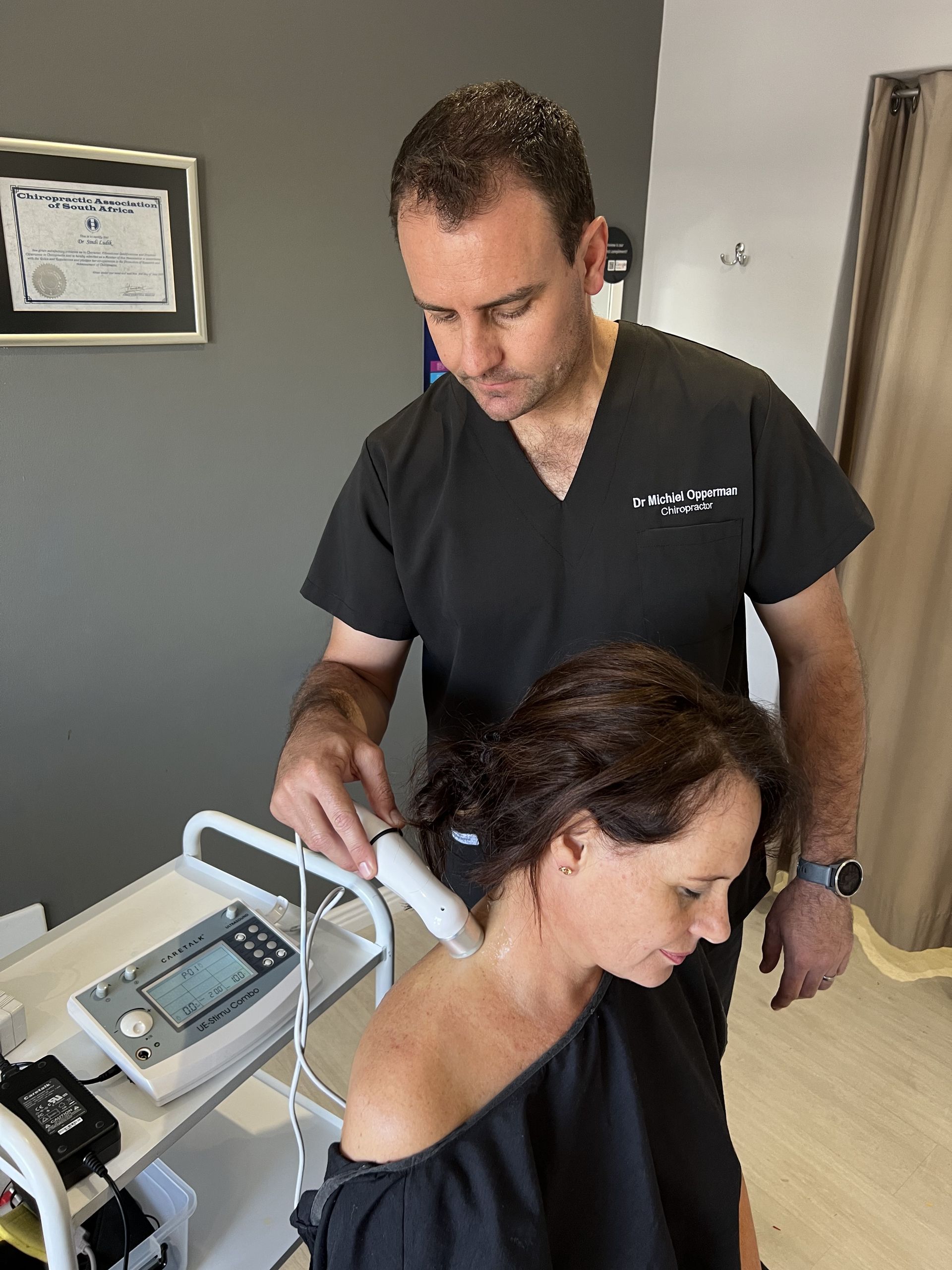
TREATMENT MODALITIES OFTEN USED